Latest posts
-
Why There Is Moisture Under a Mobile Home
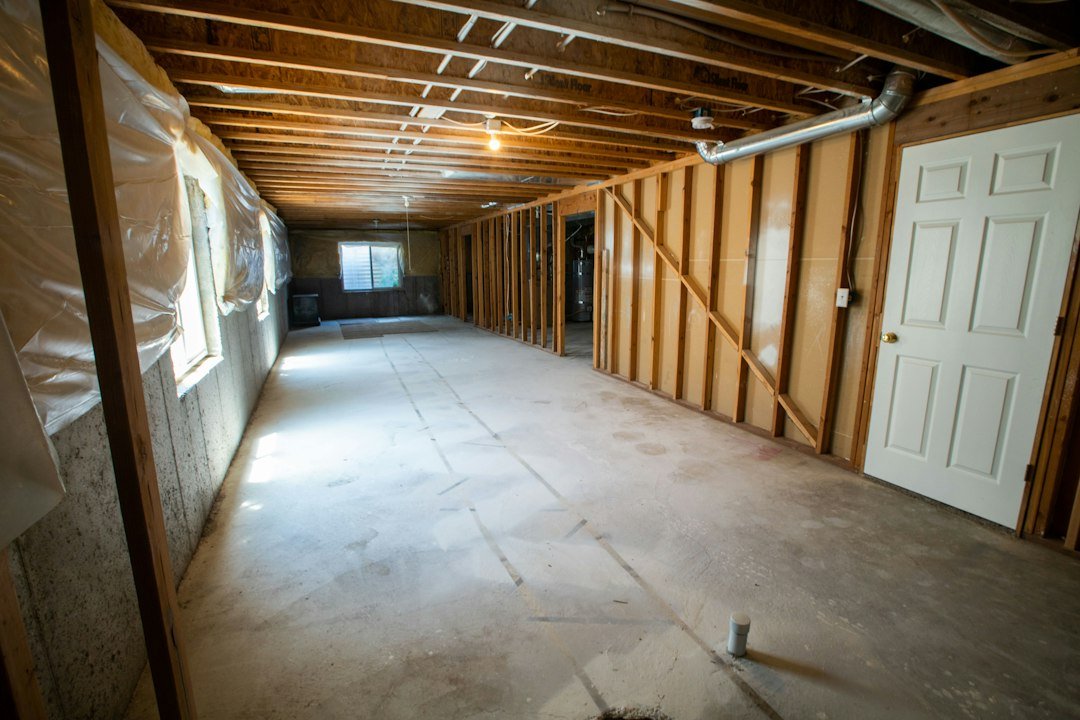
Moisture beneath a manufactured home can come from several different sources, including the ground, rainwater, plumbing leaks, heating and cooling equipment, appliances, or humid outdoor air. Because the causes are so different, the first step is not simply to add vents, close vents, install a dehumidifier, or cover the soil. Rather, it is to figure…
-
How to Repair Damaged Mobile Home Skirting and When to Replace It
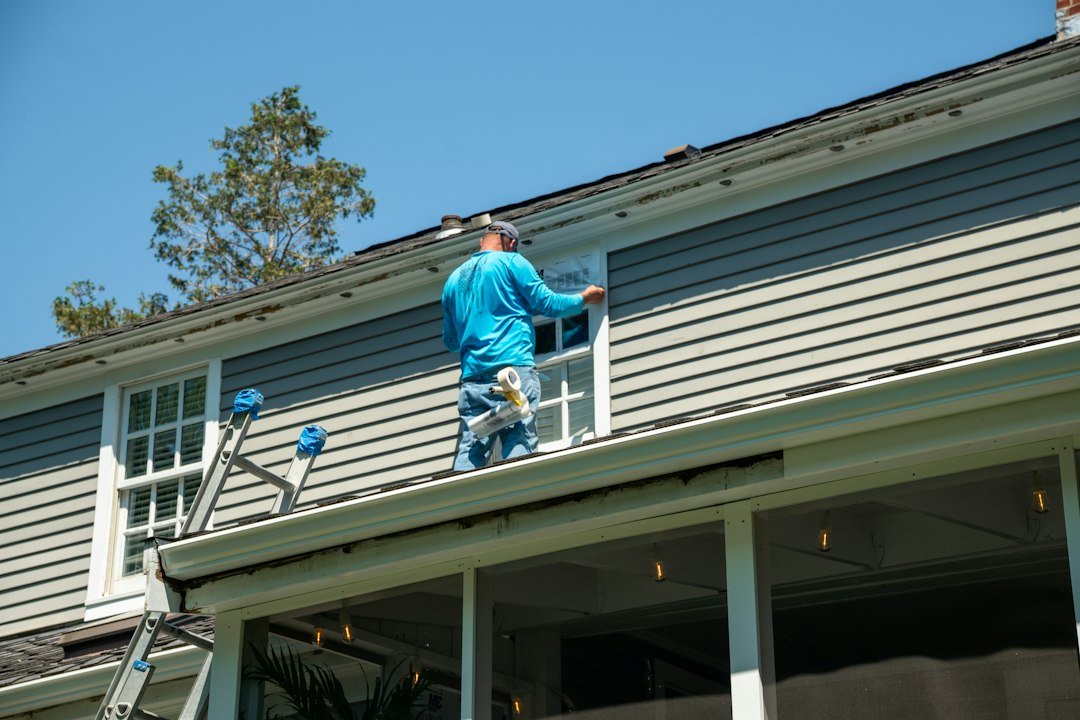
Damaged or missing skirting panels should not be left unattended. They can expose the underside of a manufactured home to wind, animals, debris, and blowing snow. Replacing one or more panels makes sense when the rails, neighboring panels, and attachment surfaces are sound. Repeated failures, however, point to a larger problem that a few new…
-
Measuring a Mobile Home for Replacement Skirting

Replacing the skirting on a mobile home isn’t as simple as just measuring the length and width of the home. The perimeter is only the starting point. You also need the height at multiple locations, the number and type of corners, the location of access points and vents, as well as the actual width each…
-
Mobile Home Skirting Materials Compared
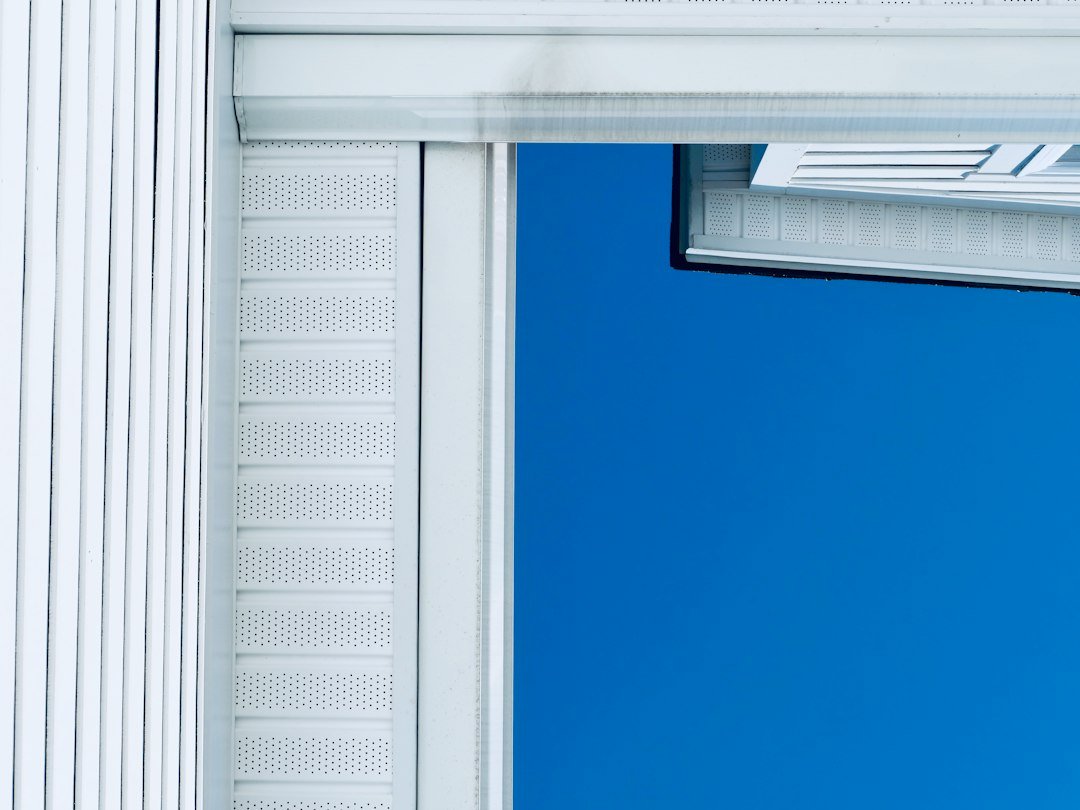
Skirting closes the space between a manufactured home and the ground. It improves appearance, reduces wind beneath the home, limits animal access, and shields plumbing, ductwork, insulation, and the underbelly from weather and debris. The best material isn’t always the most expensive one. Rather, it’s the material that best fits the home’s height, site conditions,…
-
How to Winterize a Vacant Mobile Home
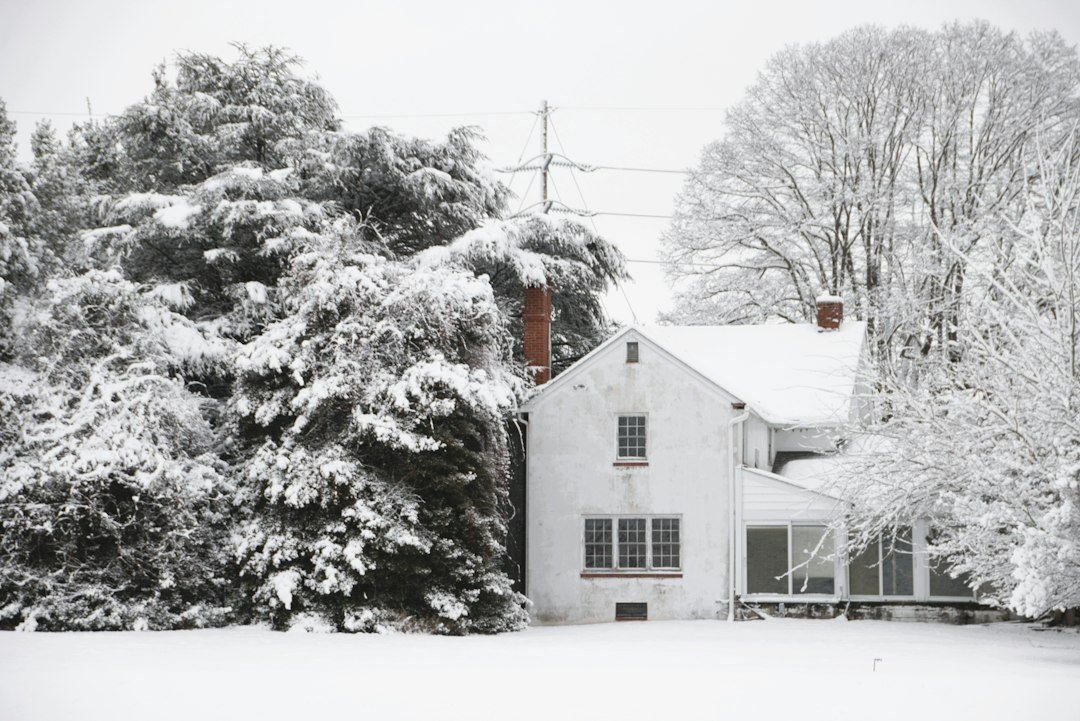
A vacant manufactured home needs attention before cold weather hits and winter sets in. Leaving the thermostat on at a low setting may be adequate for a short absence when the furnace, power, fuel supply, and plumbing are dependable. A home that will sit empty for weeks or months may need its water shut off…
-
Animals Under a Mobile Home
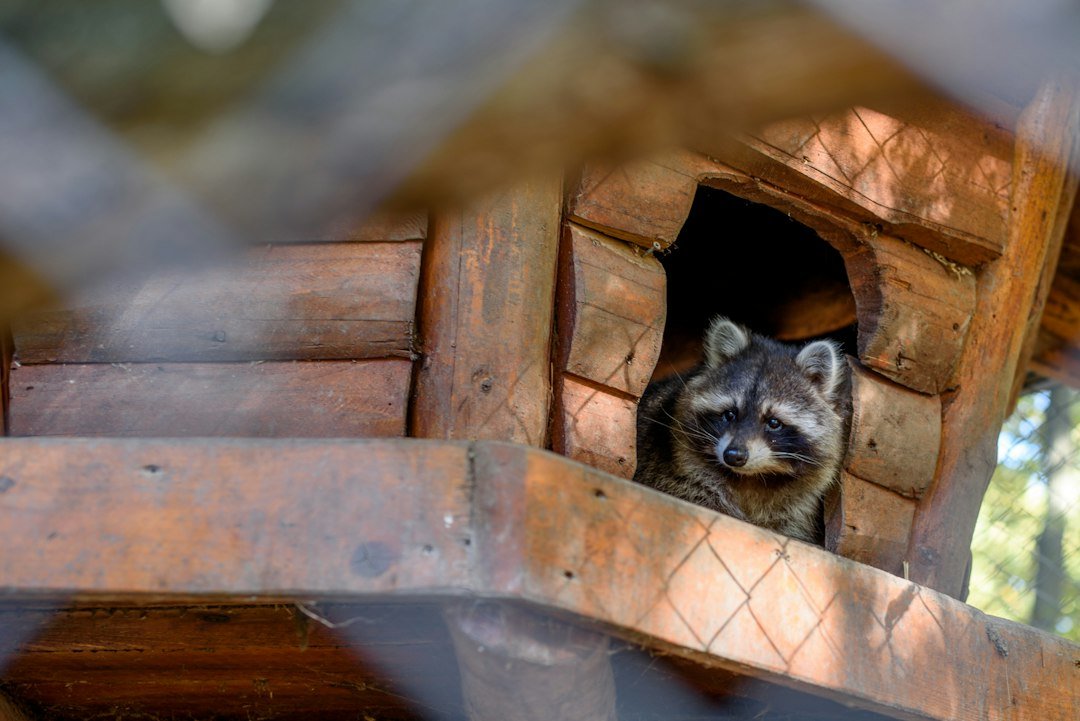
Loose or damaged skirting can turn the space beneath a manufactured home into an attractive shelter for animals, especially when the weather turns cold. Squirrels, raccoons, opossums, mice, rats, feral cats, and other animals may be drawn to an area that is protected from wind and weather. The problem does not always stay beneath the…
-
How to Prepare a Manufactured Home for Freezing Weather
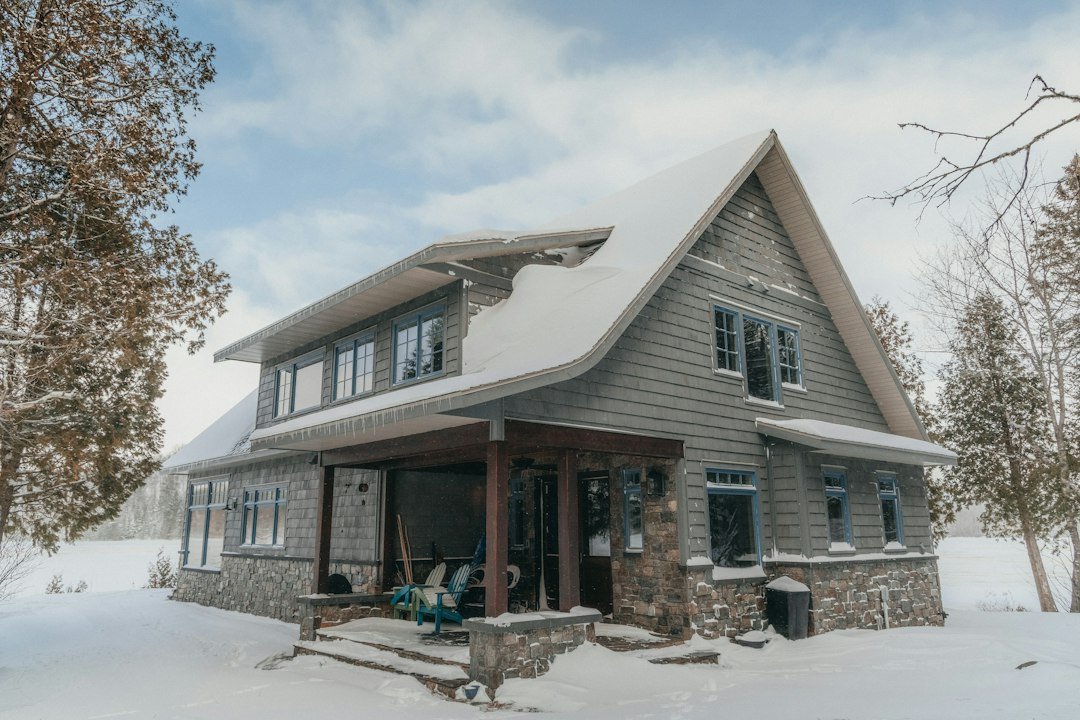
Cold-weather preparation for a manufactured home begins outside and underneath it. The furnace can be working normally while a loose skirting panel, exposed water riser, or damaged underbelly leaves one section of plumbing vulnerable to freezing. A useful fall inspection follows the same path that cold air and water would take. Start outside, move to…
-
Mobile Home Underbelly Damage and Frozen Pipe Risk
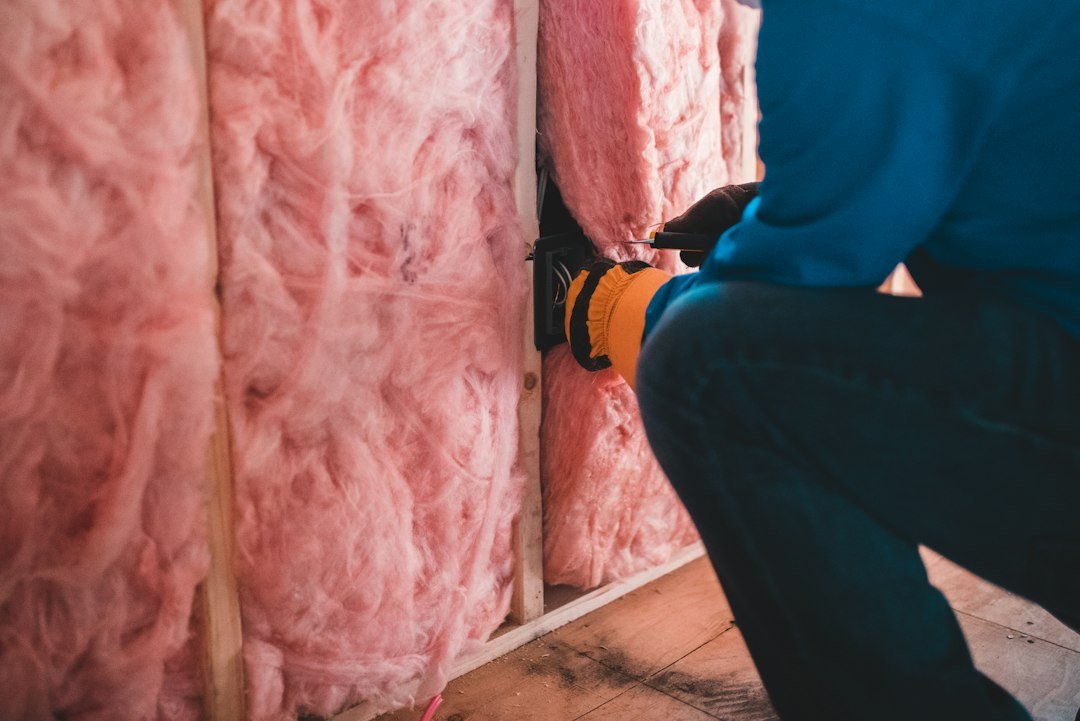
The black material beneath many manufactured homes is easy to ignore until it begins to sag or tear. It is commonly called belly board, belly wrap, bottom board, or underbelly material. Its job is more important than simply covering the insulation: it helps keep insulation in place, limits unwanted air movement, and protects the floor…
-
Does Your Mobile Home Need Heat Tape?
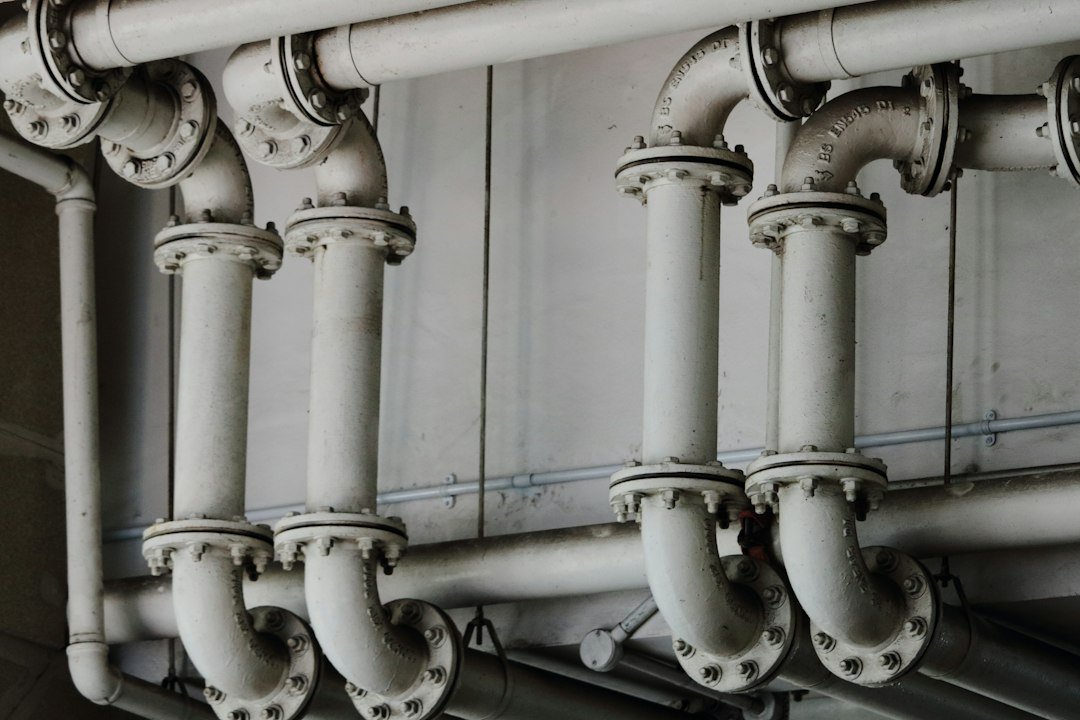
Heat tape can protect a vulnerable water line, but not every mobile or manufactured home needs it. Some homes use listed pipe-heating cable at the water inlet, while others protect their plumbing through pipe placement, insulation, an intact underbelly, and the home’s heating system. The useful question is not simply whether the home is old…
-
Why Mobile Home Pipes Freeze and How Newer Homes Reduce the Risk
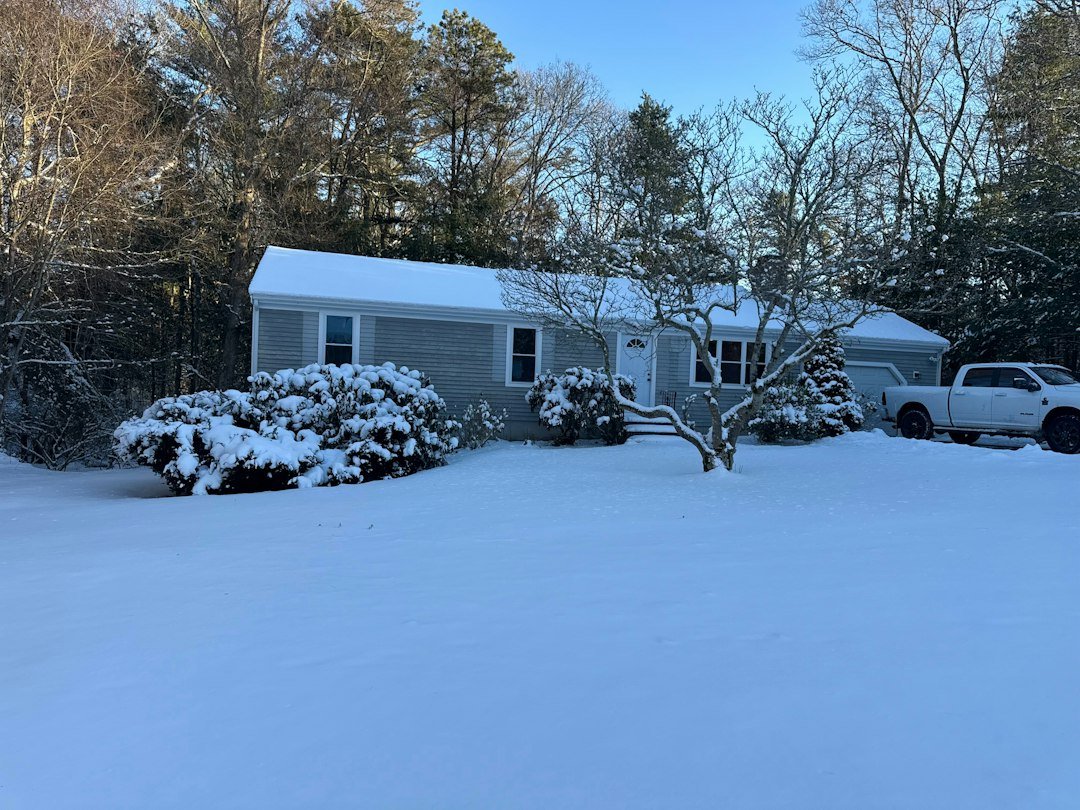
A manufactured home can go through several winters without a plumbing problem and then develop a frozen pipe during one severe cold snap. The risk depends on more than the home’s age. Pipe location, insulation, skirting, the condition of the underbelly, and the point where the water line enters the home all affect how well…