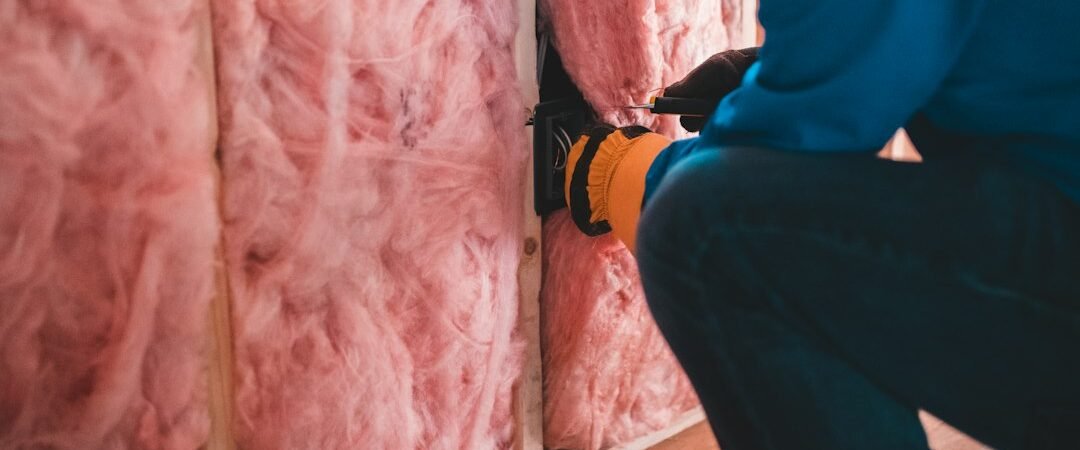
The black material beneath many manufactured homes is easy to ignore until it begins to sag or tear. It is commonly called belly board, belly wrap, bottom board, or underbelly material. Its job is more important than simply covering the insulation: it helps keep insulation in place, limits unwanted air movement, and protects the floor system and utilities from exposure.
When the underbelly opens, cold air can reach plumbing designed to stay inside a protected area. Wet or displaced insulation makes the problem worse. A pipe that never froze while the underbelly was intact can become vulnerable after a plumbing repair, animal intrusion, leak, or storm damage.
Figure out why the underbelly was damaged
Before deciding how to patch the material, find out why it failed. Someone may have opened it and never resealed it properly. A water leak can saturate the insulation and pull the covering down. Wind may exploit an existing tear after damaged skirting lets air beneath the home.
Animals are another common cause. Squirrels, raccoons, opossums, rodents, and other animals can enter beneath the home and tear the underbelly or insulation. In other cases, the original material has simply become brittle or separated at a seam, or ductwork and other components have shifted and put weight on the covering.
Look above the opening before you patch it
A visible hole is often only part of the problem. From a safe position, use a light to look into the opening and determine what is above it before covering anything. Wet insulation, a leaking pipe, disconnected ductwork, animal droppings, nesting material, or chewed wiring can turn a simple patch into a larger repair.
A stain or sag may also mean the water came from inside the home rather than from outside. If the insulation is wet, don’t simply push it back into place and seal the opening. Fix the leak first, remove damaged material as needed, and let the area dry before rebuilding the enclosure.
Why ordinary duct tape often does not last
A good underbelly repair has to stay attached through temperature changes, moisture, movement, and the weight of the insulation above it. Household duct tape often loosens, especially when it is applied to dusty, damp, or aging material.
Products made specifically for mobile-home bottom-board repair are better suited to the job, but preparation still matters. The existing surface needs to be clean and dry enough for the repair material to bond, and the patch should overlap sound material rather than barely covering the edge of the tear. Larger openings may also need support behind the patch.
If insulation is missing, replace and position it before closing the bottom. A neat-looking patch does little good if the floor and plumbing above it are still exposed.
Know when the repair is bigger than a patch
Some underbelly problems are reasonable homeowner repairs, but others involve conditions that are difficult or unsafe to evaluate from beneath the home. Professional help makes sense when a large area is hanging or filled with water, electrical wiring is damaged or mixed with wet insulation, the source of a leak cannot be found, or ductwork is disconnected, crushed, or contaminated.
It is also wise to get help if animals may still be inside or if reaching the damaged area would require disturbing supports, piers, anchors, gas piping, or other structural or utility components. The goal is to restore the underbelly without creating a more serious problem elsewhere.
Prevent the same damage from returning
After restoring the underbelly, inspect the skirting and utility openings around it. A good patch can fail again if wind or animals still have an easy route beneath the home. Repair openings around piping and equipment with materials appropriate to the location, while preserving required clearances and service access.
Recheck the repaired area after the next heavy rain and again after the first period of sustained cold. A sound repair should remain secure, keep the insulation supported, and show no sign that water is collecting or new edges are being exposed to wind.