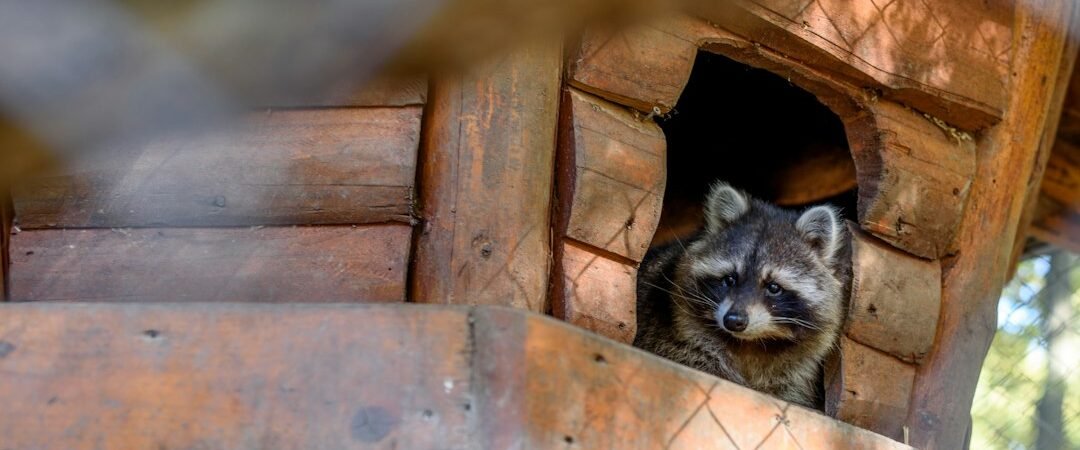
Loose or damaged skirting can turn the space beneath a manufactured home into an attractive shelter for animals, especially when the weather turns cold. Squirrels, raccoons, opossums, mice, rats, feral cats, and other animals may be drawn to an area that is protected from wind and weather.
The problem does not always stay beneath the home. Once an animal gets past the skirting, it may tear the underbelly, disturb insulation, enter ductwork, or follow openings around plumbing and wiring into the floor or wall system. What begins as a small gap in the skirting can eventually involve several parts of the home.
Why a small skirting opening deserves attention
A missing or loose panel is more than an appearance problem. The same opening can let in wind, moisture, and animals. An animal may enlarge the gap, pull down insulation, damage ductwork, chew wiring, or expose plumbing to colder air.
That is why repairing small openings early is easier than waiting until you hear sounds in a wall or see insulation hanging beneath the home. The original defect may be minor even when the eventual repair is not.
Look for signs that something is getting underneath
You may hear scratching, movement, or animal sounds beneath the floor or inside a wall before you ever see the animal. Other clues include skirting pushed out of its track, tracks or disturbed soil, droppings, fur, nesting material, food remains, or a new odor near the home.
Also look for torn underbelly material or insulation that hangs lower than it did before. A sudden change in heating or cooling airflow can also indicate an animal has damaged accessible ductwork.
Do not seal the opening until you know the animal is out
Finding the entry point doesn’t mean you should close it immediately. First determine whether an animal is still beneath the home or has moved into the structure. Sealing the only obvious opening can trap an adult inside or separate it from its young, which may lead to more damage as the animal tries to escape.
Wildlife behavior and removal rules vary by species and location, and larger animals such as raccoons can bite or scratch when cornered. If you are not sure what species is involved, young may be present, or the animal has entered a wall or duct, contact a qualified wildlife-control professional rather than trying to force it out yourself.
Inspect the route after the animal is removed
Once you are confident the animal is gone, inspect more than the original hole in the skirting. Look for every exterior opening that could have been used, then check the underbelly for tears and displaced or contaminated insulation. Also inspect accessible ducts, plumbing, and wiring for visible damage.
Clean contaminated areas using guidance appropriate to the animal and the material involved. Repair the underbelly and utility penetrations before restoring the skirting, then watch the area for several days for new tracks, sounds, or movement. The goal is to close the entire route, not just where the animal was first seen.
Use materials that animals cannot easily defeat
Small rodents can use openings that look insignificant, and soft foam by itself may not stop an animal that can chew through it. Depending on the location, a durable repair may require metal mesh, flashing, or another barrier suited to the opening and the skirting system.
Utility openings still need the correct clearances and materials for the pipe, wire, duct, or equipment passing through them. Do not pack combustible material around heat-producing equipment, block required vents, or make repairs that prevent future service access.
Reduce the things that attract animals to the home
Closing entry points works better when the area around the home doesn’t provide food or hiding places. Keep pet food, bird seed, and trash in secure containers, clean up spilled seed or food, and trim heavy vegetation or remove debris that hides openings in the skirting.
Keep the access panel latched and inspect it after maintenance visits. Most importantly, repair small gaps before cold weather gives animals an even stronger reason to seek shelter beneath the home.
When the problem has moved into the walls or floor
Sounds inside a wall, repeated entry after exterior repairs, damaged wiring, or an odor from an inaccessible cavity may mean the problem has moved beyond the skirting. An entry route can begin beneath the home and continue through a utility chase, floor opening, marriage-line area, or damaged wall enclosure.
At that point, sealing the exterior opening alone will not remove an animal that is already farther inside the home. A wildlife-control professional may need to locate and remove the animal before safely repairing the structural openings.