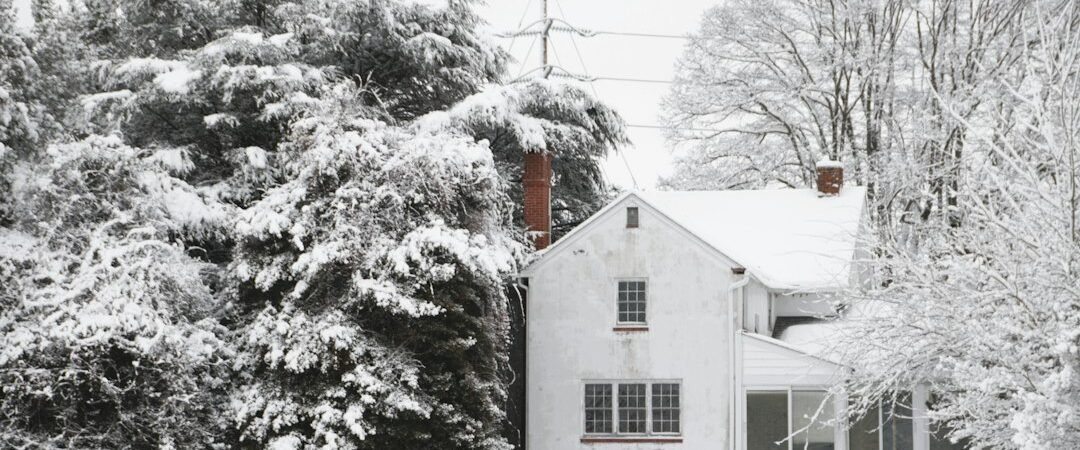
A vacant manufactured home needs attention before cold weather hits and winter sets in. Leaving the thermostat on at a low setting may be adequate for a short absence when the furnace, power, fuel supply, and plumbing are dependable. A home that will sit empty for weeks or months may need its water shut off and its plumbing drained, depending on the climate, the length of the vacancy, and whether anyone will be around to keep an eye on it.
Newer homes shouldn’t be ignored! PEX may tolerate expansion better than rigid pipe, but fittings, valves, traps, and the water entrance can still freeze. Intact skirting and underfloor insulation reduce risk, but a long-term vacancy removes the early warning a resident normally provides.
Choose between heated protection and full winterization
For a brief trip out of town, leave the heat on and set the thermostat no lower than 55 degrees. For a long vacancy in freezing weather, shutting off the water and professionally draining the system protects against freezing and an unnoticed leak. Full winterization involves more than just closing the main valve. Water can remain in low pipes, the water heater, toilets, appliance lines, and fixtures.
Draining the water lines
Locate the main shutoff before winter and make sure it operates. Turn off the water supply first. Water heaters require their own shutdown and draining procedure. Electric elements can be ruined if power is restored to an empty tank, and gas appliances require safe shutdown and relighting procedures. Follow the appliance instructions or use a qualified technician.
Open faucets only as part of a planned draining procedure. A plumber may use regulated compressed air to clear remaining water, but excessive pressure can damage fixtures and valves. Protect exterior faucets, appliance lines, filters, and other equipment connected to the water supply.
Plumbing-system antifreeze may be used in drain traps and toilet components when appropriate. Use only a nontoxic product labeled for plumbing systems. Automotive antifreeze is poisonous and does not belong in household plumbing. A home with a fire-sprinkler system, hydronic heating, a well, or other specialized equipment needs system-specific instructions before the water is shut off or drained.
Inspect the manufactured home
Secure loose skirting without blocking vents or combustion-air openings. Confirm that dryer exhaust and other required terminations pass through the skirting. Look for a torn underbelly, fallen insulation, leaks, animal openings, and standing water.
Make sure roof drainage and grading direct water away from the home. Remove anything that attracts animals, keep utility access available, and service the heating system if it will remain in use.
Arrange monitoring and safe return
Ask a reliable person to inspect the home as often as the weather warrants. Sensors can provide warning, but they do not replace someone who can respond and knows where the shutoffs are. Note that some insurance policies require a home be checked regularly to maintain coverage, so check your policy for details.
When the home is reopened, close drains and faucets, fill the plumbing slowly, and inspect every connection for leaks. Do not energize an electric water heater until the tank is full. If a home is professionally winterized, having it professionally returned to service may be prudent.